Masonry work needs the right tools. Without them, even a skilled mason cannot build strong walls or lasting structures. Good tools save time. They also improve safety. And they help create work that lasts for decades.
Masonry tools are not one-size-fits-all. Some are small hand tools. Others are powered machines. Each one plays a specific role in cutting, drilling, fastening, or shaping brick and stone.
In this guide, we will cover the most important masonry tools. We will explain what each tool does. We will also share typical US price ranges, so you know what to expect before you shop.
Whether you are a professional contractor or a homeowner planning a small repair, this guide will help you choose wisely.
Why Masonry Tools Matter
Brick and stone are tough materials. You cannot cut, drill, or fasten them with regular tools. Masonry tools are built for this job. They are stronger. They are more precise. They make hard jobs much easier.
Using the wrong masonry tool can damage your materials. It can also slow down your project. It may even create safety risks. That is why every mason, contractor, and DIY builder should know the basics.
Investing in quality tools also saves money over time. Cheap tools wear out fast. They often need replacing after just a few uses. Durable masonry tools may cost more upfront, but they perform better and last longer.
Let’s look at the must-have tools for any masonry job, along with what you can expect to pay for each one.
1. Masonry Anchors
Masonry anchors hold heavy items in place. They work on brick, block, and concrete. You may need them to hang shelves, fixtures, or structural supports.
These anchors expand once inserted. This creates a tight grip inside the material. The result is a secure hold that will not loosen over time.
Choosing the right anchor size matters. A weak anchor can fail under weight. A proper anchor keeps your structure safe for years.
Price Range: Masonry anchors usually cost between $0.10 and $2 per piece, depending on size and load capacity. Bulk packs of 25 to 100 anchors often range from $10 to $40. Heavy-duty structural anchors can cost more, sometimes reaching $5 to $10 each.
2. Masonry Drill Bits
You cannot use regular drill bits on brick or concrete. They will wear out fast. They may even break.
Masonry drill bits are made with a hard carbide tip. This tip cuts through tough surfaces with ease. It also lasts much longer than standard bits.
These bits are a must when installing anchors, screws, or fixtures into brick walls. Without the right bit, your project can stall before it starts.
Price Range: A single masonry drill bit typically costs $2 to $20, depending on size and brand. Larger SDS-style bits for heavy-duty drills can run $25 to $60 each. Full masonry drill bit sets, with multiple sizes, usually range from $15 to $80.
3. Masonry Screws
Masonry screws attach items directly into brick, block, or concrete. They do not always need a separate anchor. This makes installation faster.
These screws have deep threads. They grip the material firmly. This gives strong holding power for many years.
Masonry screws are common in construction, renovation, and repair work. They are simple, but they play a big role in the final result.
Price Range: Masonry screws generally cost $0.20 to $1 per piece. A box of 25 to 100 screws usually falls between $10 and $35, depending on length and coating type.
4. Tuck Pointer
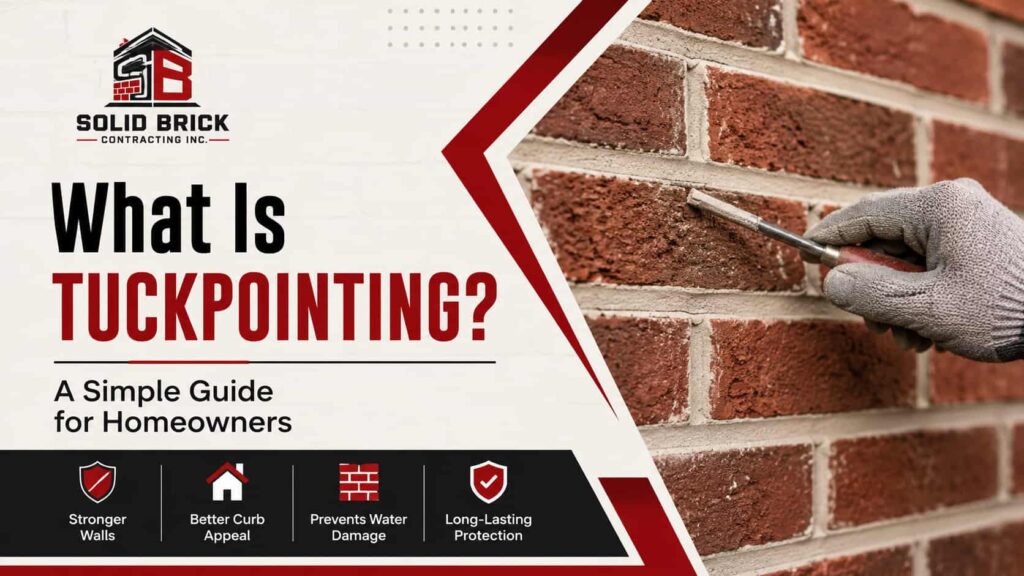
A tuck pointer is a small but important tool. It is used to apply and shape mortar between bricks. This process is called tuckpointing.
Tuckpointing repairs old or damaged mortar joints. It also improves the look of a brick wall. A skilled mason uses a tuck pointer to keep lines clean and even.
This tool matters most in restoration work. Old buildings often need mortar repair. A tuck pointer helps bring these walls back to life.
Price Range: A standard tuck pointer trowel usually costs $8 to $25. Professional-grade versions with comfort grips or specialty blades can run $20 to $40.
5. Masonry Nails
Masonry nails are built tough. They can be hammered directly into brick, block, or concrete without pre-drilling.
These nails have a fluted shank. This design helps them grip hard surfaces. They resist pulling out, even under stress.
Masonry nails are useful for light-duty fastening. They are quick to use and do not need extra tools.
Price Range: A box of masonry nails, usually containing 1 to 5 pounds, costs between $8 and $20. Prices depend on nail length and steel quality.
6. Masonry Hammer
A masonry hammer is designed for heavy-duty work. It helps break, shape, and set bricks or stone.
This hammer has a strong head and a solid grip. It is built to handle repeated impact. Many masons use it daily on job sites.
A good masonry hammer improves accuracy. It also reduces strain during long work hours.
Price Range: Basic masonry hammers cost around $15 to $35. Premium brands with fiberglass or shock-absorbing handles can range from $30 to $60.
7. Masonry Saw
Cutting brick or stone by hand is slow and hard. A masonry saw makes this job faster and more precise.
These saws use diamond-tipped blades. This allows clean, straight cuts through hard materials. Many contractors use wet saws to reduce dust and control heat.
A masonry saw is essential for custom cuts. It helps fit bricks and stones into tight or unique spaces.
Price Range: Handheld masonry saws start around $100 to $300. Larger tile and brick saws, often used on job sites, range from $300 to $1,500. Heavy-duty walk-behind masonry saws can cost $2,000 or more.
8. Masonry Chisel
A masonry chisel is used to shape, split, or remove sections of brick and stone. It is often paired with a hammer for extra force.
These chisels have a flat, wide edge. This design allows clean breaks along a straight line. Skilled masons use chisels for detail work that saws cannot handle.
This tool is common in repair jobs. It is also useful for custom stonework and detailed finishing.
Price Range: A single masonry chisel usually costs $10 to $30. Sets with multiple chisel sizes range from $25 to $70.
Masonry Tools Comparison Table
Here is a quick-reference table comparing all eight tools, their main use, and typical US price ranges.
| Tool | Main Use | Best For | Price Range (US) |
|---|---|---|---|
| Masonry Anchors | Holding fixtures in brick or concrete | Shelves, fixtures, structural supports | $0.10–$2 per piece; $10–$40 per pack |
| Masonry Drill Bits | Drilling holes in brick, block, or concrete | Anchor and screw installation | $2–$20 each; $15–$80 per set |
| Masonry Screws | Fastening items into masonry | Renovation, fixture mounting | $0.20–$1 per piece; $10–$35 per box |
| Tuck Pointer | Shaping mortar joints | Mortar repair, restoration work | $8–$40 |
| Masonry Nails | Light-duty fastening | Quick, no-drill fastening jobs | $8–$20 per box |
| Masonry Hammer | Breaking and shaping brick or stone | Daily job-site use | $15–$60 |
| Masonry Saw | Cutting brick or stone | Custom cuts, larger projects | $100–$2,000+ |
| Masonry Chisel | Splitting and shaping masonry | Detail work, repairs | $10–$70 |
Use this table as a quick checklist before you start your next masonry project. It can help you estimate your total budget in just a few minutes.
Building a Complete Masonry Tool Kit
If you are starting from scratch, it helps to plan your budget. A basic homeowner kit, with a hammer, chisel, tuck pointer, and a few drill bits, may cost $100 to $200 in total.
A full professional kit, including a masonry saw and a wider range of anchors and screws, can easily reach $500 to $2,000 or more. The exact cost depends on brand, quality, and how often you use the tools.
Buying tools in bundles or sets often saves money compared to purchasing each item alone. It is also worth checking hardware store sales, since masonry tools go on discount often throughout the year.
Tips for Choosing the Right Masonry Tools
Not every project needs the most expensive tool. Here are a few simple tips to guide your choice:
- Match the tool to the job. Small repairs need basic hand tools. Large projects need power tools like saws and drills.
- Check the material. Brick, block, and natural stone can each require different bit types or blade grits.
- Consider frequency of use. If you use a tool often, invest in a durable, higher-priced option. If it is a one-time job, a budget tool may be enough.
- Prioritize safety gear. Along with tools, always use gloves, eye protection, and dust masks when cutting or drilling masonry.
Final Thoughts
The right masonry tools make a big difference. They improve speed, safety, and quality. From masonry anchors to a masonry chisel, each tool plays its own role, and knowing the price range helps you plan your budget with confidence.
If you are planning a project, make sure you have the right tools ready. Or better yet, trust a professional masonry team that already owns and knows how to use them.
At Solid Brick Contracting, we bring the right tools and the right skills to every job. Whether it is a small repair or a full masonry project, we are ready to help.
Stay Connected with Solid Brick Contracting
Follow us for project updates, tips, and behind-the-scenes work across Long Island, Brooklyn & Queens.