Water damage is one of the biggest problems homeowners face. A small roof leak can quickly turn into mold, damaged ceilings, weak insulation, and expensive repairs. That is why roof waterproofing is one of the smartest investments you can make for your home.
If you live in Long Island, Nassau County, Queens, or Brooklyn, your roof faces heavy rain, snow, strong winds, and freezing temperatures every year. These weather conditions can slowly damage your roof if it is not properly protected.
This guide explains everything you need to know about roof waterproofing, how it works, when you need it, and how it can save you money in the long run.
What Is Roof Waterproofing?
Roof waterproofing is the process of protecting your roof from water penetration. A waterproof coating or membrane creates a barrier that stops rain and moisture from entering your home.
Waterproofing does more than stop leaks. It also helps your roof last longer by protecting it from weather damage.
Different roofing materials require different waterproofing systems. A professional contractor will recommend the right solution based on your roof type.
Why Is Roof Waterproofing Important?
Your roof is always exposed to the weather. Over time, rain, snow, ice, and sunlight weaken roofing materials.
Without proper waterproofing, you may experience:
- Roof leaks
- Mold growth
- Water stains on ceilings
- Damaged insulation
- Rotting wood
- Higher energy bills
- Structural damage
Fixing these problems can be much more expensive than waterproofing your roof before damage occurs.
Why Homes in Long Island, Nassau County, Queens, and Brooklyn Need Roof Waterproofing
Homeowners in New York deal with changing weather throughout the year.
Heavy rain during spring and summer can expose weak areas on your roof.
Snow and ice during winter create ice dams that trap water. This water can seep under shingles and damage the roof deck.
Strong coastal winds in Long Island can loosen roofing materials.
Older homes in Queens and Brooklyn may already have aging roofs that need extra protection.
Because of these conditions, roof waterproofing is one of the most searched home improvement services in these areas.
Signs Your Roof Needs Waterproofing
Many homeowners wait until they notice a leak. Unfortunately, by then the damage has often already started.
Watch for these warning signs.
Water Stains on the Ceiling
Brown or yellow stains usually mean water is entering your home.
Missing or Damaged Shingles
Broken shingles allow water to reach the layers underneath.
Mold or Mildew
Excess moisture creates the perfect environment for mold growth.
Damp Attic
A damp attic often points to roof moisture problems.
Cracked Flashing
Flashing protects roof joints around chimneys and vents. Cracks allow water to enter.
Roof Is More Than 15 Years Old
Older roofs should be inspected regularly for waterproofing issues.
Noticed one or more of these warning signs? Schedule a professional roof inspection today. Fixing small problems early can help prevent costly water damage and extend the life of your roof.
Benefits of Roof Waterproofing
Roof waterproofing provides many long term benefits.
Prevents Roof Leaks
A waterproof barrier keeps rainwater outside where it belongs.
Extends Roof Life
Protection from moisture reduces wear and tear.
Saves Money
Preventing damage costs much less than replacing a roof.
Improves Energy Efficiency
Dry insulation works better than wet insulation. This helps lower heating and cooling costs.
Protects Your Home
Waterproofing helps protect walls, ceilings, flooring, and your home’s structure.
Increases Property Value
A well maintained roof gives buyers more confidence in your home.
Different Types of Roof Waterproofing
The right waterproofing system depends on your roof.
Liquid Waterproof Coating
This coating is applied directly onto the roof surface.
It creates a seamless waterproof layer and works well on many flat roofs.
Waterproof Membranes
Membranes provide strong protection against water.
They are commonly used on commercial buildings and flat residential roofs.
Bituminous Waterproofing
Bitumen based materials offer excellent water resistance and durability.
They are often used on flat roofs.
Polyurethane Waterproofing
Polyurethane coatings provide flexibility and strong waterproof protection.
They are suitable for roofs with complex shapes.
Which Roofs Need Waterproofing?
Most roof types can benefit from waterproofing.
These include:
- Flat roofs
- Low slope roofs
- Metal roofs
- Concrete roofs
- Commercial roofs
- Residential roofs
- Garage roofs
Even sloped roofs can benefit from waterproof protection around flashing, valleys, and roof penetrations.
Lifespan of Roof Waterproofing
The lifespan depends on the product used and weather conditions.
Most professional waterproofing systems last between 10 and 20 years.
Regular inspections help extend their life.
Roof Waterproofing Cost
The cost depends on several factors.
These include:
- Roof size
- Roof condition
- Roofing material
- Waterproofing system
- Labor costs
- Accessibility
| Category | Details | Average Cost |
|---|---|---|
| Roof Size | Small Roof | $1,500 to $4,000 |
| Medium Roof | $3,000 to $7,500 | |
| Large Roof | $6,000 to $12,000 | |
| Waterproofing Material | Coatings | $3 to $9 per sq ft |
| Membranes | $4 to $12 per sq ft | |
| Location | Long Island and Nassau County | $3,800 to $10,000 |
| Queens and Brooklyn | $3,500 to $9,800 |
Although waterproofing requires an upfront investment, it often saves thousands of dollars by preventing major repairs.
Can Roof Waterproofing Stop Existing Leaks?
Yes, but only after damaged areas have been repaired.
Waterproof coatings should never be applied over severe damage without fixing the underlying problem.
A professional inspection will determine whether repairs are needed first.
Does Roof Waterproofing Help During Heavy Rain?
Yes.
Quality waterproofing systems are designed to handle heavy rainfall.
This is especially important in Long Island, Nassau County, Queens, and Brooklyn where storms can produce large amounts of rain in a short time.
Is Roof Waterproofing Worth It?
For most homeowners, the answer is yes.
Replacing a roof can cost many thousands of dollars.
Waterproofing is much more affordable and helps delay major roof replacement.
It also protects your home from expensive interior damage.
Roof Waterproofing Maintenance Tips
Even after waterproofing, regular maintenance is important.
Clean gutters at least twice a year.
Remove leaves and branches from the roof.
Check for damaged shingles after storms.
Inspect flashing around chimneys and vents.
Schedule professional roof inspections every year.
These simple steps help your waterproofing system perform better for longer.
Common Roof Waterproofing Mistakes
Some homeowners try to waterproof their roofs themselves.
This often leads to problems.
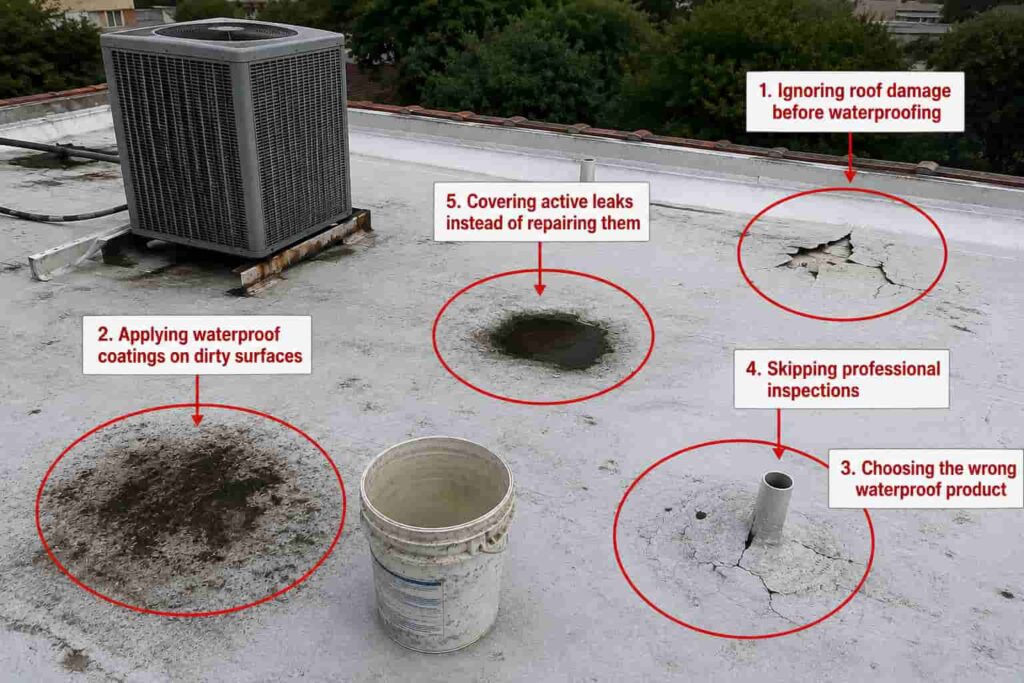
Common mistakes include:
- Applying waterproof coatings on dirty surfaces
- Ignoring roof damage before waterproofing
- Choosing the wrong waterproof product
- Skipping professional inspections
- Covering active leaks instead of repairing them
Professional installation provides better long term protection.
Frequently Asked Questions
How often should roof waterproofing be inspected?
Most experts recommend a professional inspection once every year and after major storms.
Can roof waterproofing be applied to an old roof?
Yes. Many older roofs can be waterproofed if they are still structurally sound.
What is the best time of year for roof waterproofing?
Spring, summer, and early fall usually provide the best weather conditions.
Does waterproofing stop mold?
It helps prevent mold by stopping moisture from entering your home.
Existing mold should be removed before waterproofing.
Can waterproofing help during New York winters?
Yes.
Waterproofing protects your roof from melting snow, ice dams, and freezing temperatures.
Is roof waterproofing necessary for flat roofs?
Yes.
Flat roofs collect more standing water than sloped roofs, making waterproofing especially important.
How do I know if my roof has a hidden leak?
Look for musty odors, peeling paint, ceiling stains, damp insulation, or higher energy bills. A professional inspection can also identify hidden moisture.
Does homeowners insurance cover roof waterproofing?
In most cases, insurance does not cover preventive waterproofing. However, it may cover certain types of sudden roof damage depending on your policy.
Final Thoughts
Roof waterproofing is one of the best ways to protect your home from costly water damage. It helps prevent leaks, extends the life of your roof, improves energy efficiency, and protects your home’s structure.
For homeowners in Long Island, Nassau County, Queens, and Brooklyn, waterproofing is especially important because of the region’s heavy rain, snow, coastal moisture, and changing temperatures.
If your roof is aging or showing signs of water damage, do not wait for a major leak. A professional roof inspection can identify problems early and help you choose the right waterproofing solution. Protecting your roof today can save you significant time, money, and stress in the future.
Stay Connected with Solid Brick Contracting
Follow us for project updates, tips, and behind-the-scenes work across Long Island, Brooklyn & Queens.