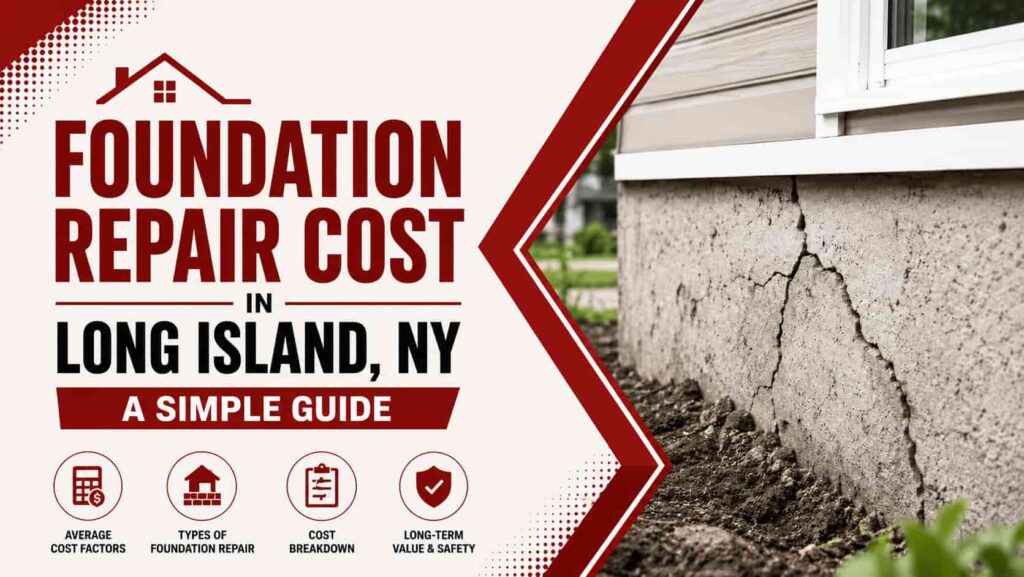
Foundation problems can be stressful for any homeowner. One issue that should never be ignored is horizontal foundation cracks. Unlike small surface cracks, horizontal cracks often point to pressure against your foundation walls. If left untreated, they can lead to serious structural damage, water leaks, and expensive repairs.
In this guide, you’ll learn what horizontal foundation cracks are, what causes them, the warning signs to watch for, and the best repair methods. We’ll also explain when it’s time to call a professional. Understanding these cracks early can help protect your home, save money, and prevent bigger foundation problems in the future.
What Are Horizontal Foundation Cracks?
Horizontal foundation cracks are cracks that run from side to side across a foundation wall. They most often appear in poured concrete or concrete block basement walls. These cracks usually form because of pressure pushing against the outside of the foundation.
Unlike vertical cracks, horizontal cracks are rarely caused by normal settling. Instead, they often indicate that the wall is under stress. This is why foundation experts consider them more serious.
Homeowners may also notice stair-step cracks in brick or block foundations. These cracks follow the mortar joints and can also signal foundation movement. Vertical cracks usually run straight up and down. They are often less concerning unless they become wider or allow water inside.
Horizontal foundation cracks, however, deserve immediate attention. They can weaken the structure of your home and may eventually cause basement walls to bow inward if the pressure continues.
Why Horizontal Foundation Cracks Are More Serious Than Other Cracks
Not all foundation cracks have the same meaning. Horizontal foundation cracks are usually considered the most serious because they often result from excessive pressure on the foundation wall.
As soil outside your home expands, it pushes against the wall. Over time, the wall begins to crack and may even bend inward. This weakens the entire foundation.
These cracks also allow water to enter the basement. Moisture can lead to mold growth, damaged belongings, and poor indoor air quality.
If ignored, repair costs usually increase. A small crack today may require only minor reinforcement. A severely bowed wall later may need major structural repairs. Acting early helps protect both your home and your budget.
What Causes Horizontal Foundation Cracks?
Several factors can create the pressure needed to form horizontal foundation cracks. Understanding the cause helps determine the right repair solution.
Hydrostatic Pressure
Hydrostatic pressure is one of the most common causes of horizontal foundation cracks.
After heavy rain or snow melts, water builds up in the soil around your home. Wet soil becomes much heavier than dry soil. As the pressure increases, it pushes against the foundation wall.
Over time, the wall begins to crack. If the pressure continues, the wall may start to bow inward.
Expansive Clay Soil
Some properties are built on clay-rich soil. Clay expands when it absorbs water and shrinks when it dries.
This constant cycle of expansion and contraction creates movement around the foundation. During wet seasons, the expanding soil pushes hard against basement walls.
Repeated pressure can eventually create horizontal cracks and structural movement.
Poor Drainage Around the Home
Poor drainage keeps excess water around the foundation. This increases hydrostatic pressure and speeds up foundation damage.
Common drainage problems include:
- Clogged gutters
- Downspouts that discharge too close to the house
- Improper yard grading
- Standing water near the foundation
Fixing drainage problems early can greatly reduce the risk of future foundation damage.
Frost Heave
Homes in colder climates face another challenge called frost heave.
When water in the soil freezes, it expands. As temperatures rise, the soil contracts again. This repeated freeze-and-thaw cycle causes the ground to shift.
Over several winters, this movement places stress on foundation walls and can create horizontal foundation cracks.
Heavy Loads Near the Foundation
Heavy weight placed too close to your home can also contribute to foundation damage.
Examples include:
- Large concrete driveways
- Retaining walls
- Mature trees with aggressive root systems
- Construction equipment
- Heavy landscaping features
These loads increase pressure on the surrounding soil. Combined with poor drainage or expansive soil, they can accelerate foundation movement and cracking.
7 Warning Signs Your Horizontal Foundation Cracks Need Immediate Repair
Horizontal foundation cracks often come with other warning signs. These symptoms usually mean the foundation is still moving or under pressure. If you notice any of the following, schedule a professional inspection before the damage becomes more expensive.
1. The Crack Is Getting Longer
A crack that keeps growing is a sign of ongoing foundation movement. Take photos every few months to monitor changes. If the crack becomes longer or wider, the pressure on your foundation is increasing and should be inspected.
2. Basement Walls Are Bowing Inward
Bowing basement walls usually mean the soil outside is pushing against the foundation. This is one of the most serious signs of structural damage and requires immediate professional repair.
3. Water Is Leaking Through the Crack
Water entering through a horizontal crack can damage your basement and lead to mold growth. It also shows that moisture is reaching the foundation, which can make the problem worse over time.
4. Doors and Windows No Longer Close Properly
Foundation movement can shift your home’s frame. As a result, doors and windows may stick, become difficult to open, or no longer close properly.
5. Floors Feel Uneven
Uneven or sloping floors can be another sign of foundation movement. When the foundation shifts, it can affect the structure above it, causing floors to become unlevel.
6. Large Gaps Around Walls or Ceiling
Gaps around walls, ceilings, doors, or trim often indicate structural movement. These changes may appear gradually but should never be ignored when horizontal foundation cracks are present.
7. Crack Width Is More Than 1/4 Inch
A horizontal foundation crack wider than 1/4 inch may indicate serious structural stress. Larger cracks should always be inspected by a foundation repair professional as soon as possible.
How to Prevent Horizontal Foundation Cracks
While not every foundation problem can be avoided, regular maintenance can lower the risk of horizontal foundation cracks. These simple steps help reduce pressure on your foundation and keep it in good condition.
- Clean your gutters regularly. Overflowing gutters allow water to collect near the foundation.
- Extend your downspouts. Make sure they carry water at least 5 to 10 feet away from your home.
- Maintain proper grading. The ground should slope away from the house so rainwater drains away.
- Control soil moisture. Water your landscaping during dry weather to reduce soil shrinkage, but avoid overwatering.
- Keep large trees away from the foundation. Tree roots can disturb the soil and increase foundation movement.
- Schedule regular foundation inspections. Early inspections can identify small issues before they become major repairs.
Taking these preventive measures can extend the life of your foundation and help you avoid costly repairs.
When Should You Call a Foundation Repair Professional?
Some foundation cracks can wait, but horizontal foundation cracks should never be ignored. Contact a foundation repair professional if you notice any of the following:
- A crack wider than 1/4 inch
- Bowing or leaning basement walls
- Multiple horizontal cracks
- Water leaking through the foundation
- Doors and windows that stick or won’t close
- Uneven floors or visible foundation movement
- Walls that appear to be shifting or separating
A professional inspection can identify the cause of the damage and recommend the right repair solution. Acting early is often the best way to prevent more serious structural problems and higher repair costs.
Frequently Asked Questions (FAQ)
Are horizontal foundation cracks always serious?
Not every horizontal crack means your home is in immediate danger. However, they are usually more serious than vertical cracks because they often result from pressure against the foundation wall. It’s best to have them inspected by a professional.
Can I repair horizontal foundation cracks myself?
Small surface repairs may hide the crack, but they won’t fix the underlying problem. If the wall is moving or under pressure, professional repairs are needed to prevent further damage.
How much does horizontal foundation crack repair cost?
The cost depends on the size of the crack, the cause of the damage, and the repair method. Minor repairs are generally less expensive, while bowed walls or structural movement require more extensive work. A professional inspection is the best way to get an accurate estimate.
Do horizontal cracks always mean foundation failure?
No. Many horizontal foundation cracks can be repaired before they lead to major structural damage. Early detection and timely repairs are the key to protecting your home.
Will homeowners insurance cover foundation crack repair?
In most cases, standard homeowners insurance does not cover foundation damage caused by normal settling or soil movement. However, damage caused by a covered event, such as a plumbing leak or another sudden incident, may qualify. Check your policy or speak with your insurance provider for details.
Final Thoughts
Horizontal foundation cracks are often a warning sign that your home is under structural stress. Ignoring them can lead to bowed walls, water damage, and expensive repairs. The good news is that many foundation problems can be fixed when they are caught early.
If you’ve noticed horizontal cracks, water leaks, or signs of foundation movement, don’t wait for the damage to get worse. Contact our experienced masonry and foundation repair team today for a professional inspection and a free repair estimate. We’ll identify the cause, recommend the right solution, and help protect your home for years to come.
Stay Connected with Solid Brick Contracting
Follow us for project updates, tips, and behind-the-scenes work across Long Island, Brooklyn & Queens.